In the fast-paced world of retail, standing out is more crucial than ever. Shoppers are no longer just looking for products; they crave experiences that tickle their senses and spark joy. Enter the realm of retail design trends, where creativity meets strategy and every detail counts.
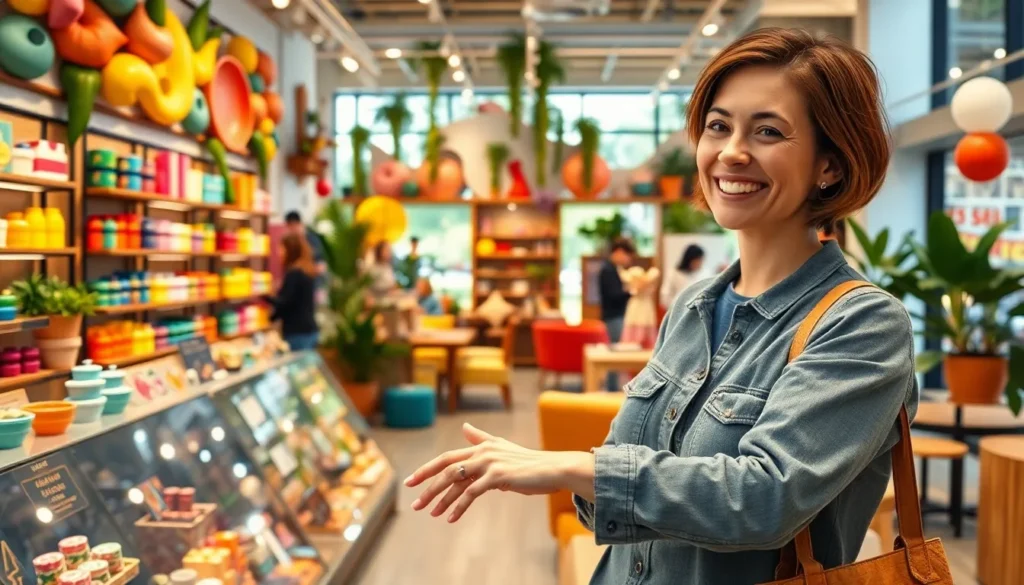
From immersive environments that transport customers to whimsical displays that make them smile, the latest trends are all about creating memorable moments. Whether it’s a cozy nook that invites customers to linger or striking visuals that grab attention, retailers are embracing innovative designs to keep shoppers coming back for more. So, buckle up as we explore the hottest retail design trends that are transforming stores into unforgettable destinations.
Retail Design trends
Retail design trends emphasize creating engaging and memorable customer experiences. Immersive environments include interactive displays that capture attention and inspire exploration. Stores adopt open layouts allowing for easy movement and fostering a sense of community among shoppers.
Sustainable design practices gain traction, with many retailers incorporating eco-friendly materials and energy-efficient systems. Unique architectural elements draw people in, transforming ordinary spaces into captivating shopping destinations. Intuitive navigation systems help guide customers effortlessly through stores, enhancing convenience and satisfaction.
Technology integration continues to play a significant role in retail settings. Brands utilize augmented reality to create unique shopping experiences. Digital displays personalize marketing messages, drawing customers into the shopping journey.
Versatile seating areas encourage shoppers to relax, enhancing the social aspect of retail. Enhanced sensory experiences engage not only visual senses but also sound and scent, creating a well-rounded atmosphere. Retailers blend online and offline experiences, seamlessly integrating personal shopping apps with physical locations to enrich customer interaction.
Moreover, thematic storytelling creates emotional connections, allowing customers to relate to brands. Whimsical displays add a playful character to retail environments, making visits enjoyable and driving repeat business. As these trends evolve, they emphasize the need for innovative design that adapts to changing consumer preferences, reinforcing the importance of an immersive shopping experience.
Current Trends in Retail Design
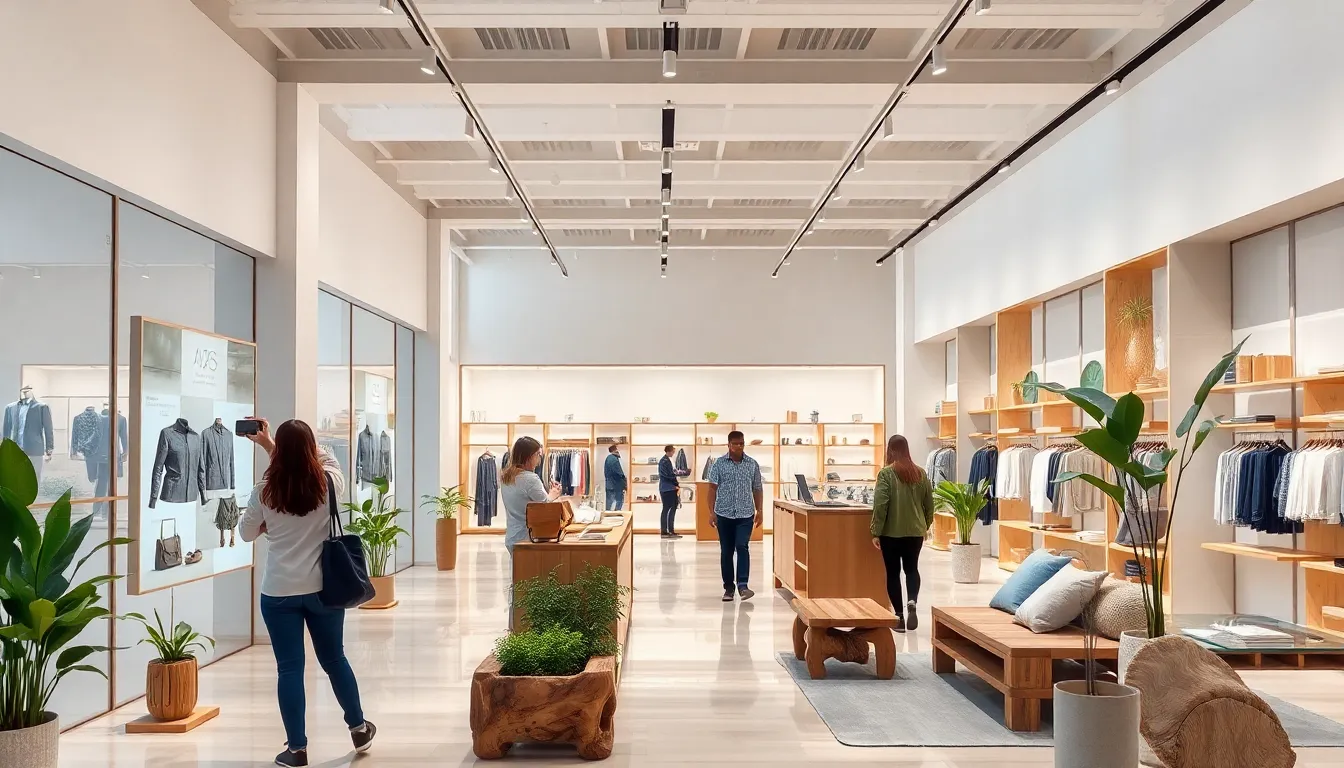
Retail design trends focus on creating exceptional customer experiences. Innovative concepts attract shoppers and enhance retention in physical spaces.
Sustainable Design Practices
Sustainable design practices incorporate eco-friendly materials into retail environments. Many stores utilize reclaimed wood and recycled fabrics, reducing their carbon footprints. Biophilic design elements, such as indoor plants, connect shoppers to nature and improve air quality. Additionally, energy-efficient lighting systems minimize electricity consumption while establishing inviting atmospheres. These practices position brands as responsible, appealing to environmentally-conscious consumers.
Incorporating Technology
Incorporating technology transforms the shopping experience for consumers. Augmented reality applications allow shoppers to visualize products in real-world settings, while interactive displays engage customers. Personalized digital signage delivers tailored content, enhancing relevance and attracting attention. Mobile payment options streamline transactions, improving convenience for customers. Retailers embracing technology create immersive environments that captivate shoppers and foster loyalty.
Minimalist Aesthetics
Minimalist aesthetics focus on simplicity and clean lines in store design. Neutral color palettes and open spaces promote calmness and enhance product visibility. Each element in a minimalist layout has a clear purpose, directing customer attention effectively. Effective merchandising techniques utilize fewer decor items, showcasing products as focal points. By embracing minimalism, retailers can foster an uncluttered shopping environment that encourages exploration and enjoyment.
Impact of Retail Design on Consumer Behavior
Retail design significantly influences consumer behavior by shaping the shopping experience. Engaging and immersive environments capture attention and create a desire to explore.
Creating a Unique Shopping Experience
Creative retail spaces foster memorable interactions, encouraging shoppers to linger longer. Open layouts allow for fluid movement, while eye-catching displays draw customers in. Interactive features invite participation, turning passive shoppers into active participants. Utilizing technology enriches these experiences, enhancing emotional connections to the brand. Unique elements, like art installations or themed environments, can evoke joy and delight, generating positive word-of-mouth and repeat visits.
The Role of Brand Identity
Strong brand identity emerges through cohesive retail design, resonating with target audiences. Design elements, such as colors, materials, and layouts, communicate brand values and personality. Consistent application across all touchpoints reinforces recognition and familiarity among consumers. By integrating storytelling into the design, brands can cultivate deeper emotional connections, aligning shopper perceptions with desired brand narratives. Retail environments that reflect brand ethos encourage loyalty, driving long-term customer relationships.
Future Predictions for Retail Design Trends
Retail design trends are evolving, focusing on even greater customer engagement and experience. Expect an increased emphasis on sustainability, as eco-friendly materials and practices gain importance. Brands will likely incorporate more biophilic design elements, bringing nature indoors with plants and natural light to enhance shopper well-being.
Immersive technologies, especially augmented reality, will play a crucial role. Shoppers may interact with virtual displays, allowing them to visualize products in various settings. This integration of technology could also offer personalization, tailoring experiences based on customer preferences.
Innovative layouts will emerge, promoting a community atmosphere within stores. Open spaces that encourage social interaction may become commonplace, allowing customers to gather and share experiences. These environments can foster familiarity and loyalty among shoppers.
Retailers will increasingly focus on flexible designs that can adapt to trends and consumer behavior. Versatile spaces that transform for different events or seasons will enhance the shopping experience and draw repeat visits. This adaptability ensures that stores remain relevant and inviting over time.
The importance of storytelling in design won’t diminish. Brands will continue to weave narratives into their spaces, creating emotionally resonant experiences. Through thematic elements and cohesive branding, they will deepen connections with customers, fostering loyalty.
Sensory experiences, such as sound, light, and scent, will also become integral. Engaging multiple senses can create memorable moments that linger long after visits. Overall, future retail designs will prioritize connection, experience, and sustainability to meet evolving consumer expectations.
Conclusion
Retail design is evolving to meet the demands of a more experience-driven consumer base. As brands embrace innovative strategies that prioritize engagement and sustainability, they’re transforming shopping into a memorable journey. The integration of technology and immersive environments not only captivates shoppers but also fosters emotional connections with brands.
Looking forward, the emphasis on biophilic elements and flexible layouts will continue to shape retail spaces. By focusing on storytelling and sensory experiences, retailers can create environments that resonate deeply with customers. As these trends unfold, the future of retail design promises to be dynamic and increasingly customer-centric.