
Have you ever opened an online slot game and felt like you were stepping into an entirely different world?
One moment, you’re looking at your phone, and the next, you’re surrounded by magical forests, ancient kingdoms, or futuristic cities. That’s the creative side of modern slot gaming, where ordinary spinning reels become part of an imaginative digital environment.
Today’s slot games often combine storytelling, detailed graphics, sound effects, and interactive features to create experiences that go beyond traditional gameplay. But how do developers build these imaginary worlds, and what makes them interesting?
Understanding the creative elements behind digital slots can help players appreciate their design while maintaining realistic expectations about how the games work.
How Digital Escapism Became Part of Slot Gaming
Digital escapism involves using virtual entertainment to experience environments that differ from everyday life. Video games, films, and interactive stories commonly offer this experience.
Modern สล็อตเว็บตรง games borrow similar creative techniques, although their gameplay remains centred on random outcomes and predefined payout rules.
From Traditional Reels to Imaginary Worlds
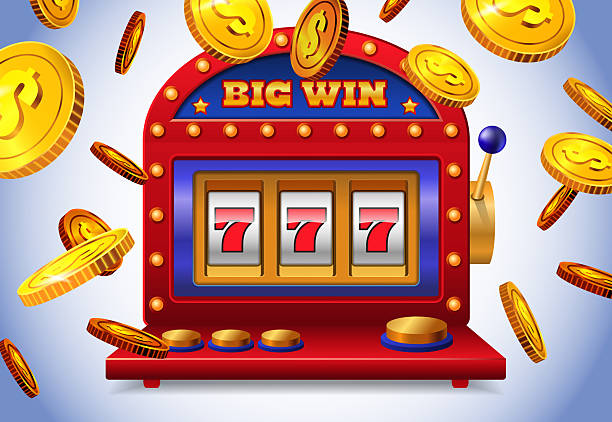
Classic slot machines usually featured familiar symbols such as fruits, bells, and lucky sevens.
Modern digital slots can introduce entire fictional environments with detailed backgrounds, animated characters, and themed symbols.
Common settings include:
- Fantasy kingdoms filled with magical creatures.
- Underwater worlds featuring hidden treasures.
- Futuristic cities with advanced technology.
- Ancient civilisations surrounded by mysterious temples.
- Space adventures involving distant planets.
These settings create different visual experiences, even when the underlying game mechanics are similar.
Why Themes Create Stronger Connections
A consistent theme helps players understand the game’s atmosphere.
For example, an underwater slot might combine ocean sounds, marine creatures, and treasure-related symbols.
When these elements work together, the game feels more like a connected digital environment rather than a collection of unrelated graphics.
However, an appealing theme doesn’t indicate better winning chances.
The Creative Elements Behind Immersive Slot Worlds
Building an imaginary world requires more than choosing an attractive background. Developers must consider how different design elements support one another.
Visual consistency, recognisable symbols, and carefully timed animations all contribute to the experience.
Visual Design and World-Building
World-building involves creating a setting with its own recognisable appearance and atmosphere.
A fantasy-themed slot might include enchanted forests, glowing objects, and mythical characters.
A science-fiction game could use futuristic buildings, mechanical symbols, and electronic visual effects.
The most effective designs maintain a clear connection between the background, reels, symbols, and interface.
Players should still be able to identify important information without getting distracted by decorative elements.
Sound Effects and Background Music
Sound design helps establish the mood of a fictional environment.
For example, a jungle-themed slot might feature natural sounds, while a space-themed game could use electronic music.
Common audio elements include:
- Background music matching the theme.
- Reel-spinning sound effects.
- Short audio signals for special symbols.
- Different music during bonus rounds.
These features support the atmosphere, but players should be able to adjust or mute sounds when needed.
Turning Storytelling Into Interactive Gameplay
Some modern slots use storytelling techniques to connect special features with their fictional environments.
Instead of treating every bonus as a separate event, developers may present it as part of the game’s larger theme.
Characters and Story-Based Features
Imagine a slot set inside an ancient castle.
A fictional character might appear during a bonus round, while the background changes to reveal another part of the castle.
Similarly, a space-themed game might introduce animated spacecraft when certain symbols activate.
These effects help communicate gameplay events through storytelling.
However, the animation is primarily a presentation feature. It doesn’t necessarily change the mathematical probability of winning.
Bonus Rounds That Support the Theme
Bonus features can make imaginary worlds feel more interactive.
Examples include:
- Free spins presented as a journey through a fictional location.
- Wild symbols designed as magical objects.
- Multipliers represented by special character abilities.
- Cascading reels accompanied by themed animations.
The actual functions depend on each game’s programmed rules.
Players should review the paytable rather than assuming that a dramatic bonus sequence will produce a large payout.
Balancing Immersive Design With Practical Gameplay
An imaginary world can look impressive, but a slot game still needs to be easy to understand and navigate.
Good design balances visual creativity with practical usability.
Keeping Gameplay Clear on Mobile Devices
Many players explore online games through smartphones, where screen space is limited.
Detailed backgrounds and animations should not make buttons, symbols, or betting information difficult to read.
Before using a game, check whether:
- Important controls remain visible.
- Symbols are easy to distinguish.
- Animations run smoothly.
- Game rules are accessible.
- The balance and stake amounts are clearly displayed.
An immersive design becomes less useful when players struggle with basic navigation.
Avoiding Visual Overload
Too many flashing effects or constant animations can make gameplay distracting.
Some players may prefer simpler interfaces with fewer moving elements.
Choosing games with adjustable sound, animation, or speed settings, where available, can make the experience more comfortable.
Understanding the Reality Behind the Fantasy
Creative presentation can make slot gaming feel adventurous, but the underlying mechanics still involve randomness and financial risk.
Understanding these mechanics helps players separate entertainment from unrealistic expectations.
RTP, Volatility, and Random Outcomes
Return to Player (RTP) describes the theoretical percentage of wagers returned over a very large number of spins.
Volatility explains the general pattern of payout frequency and size.
A beautifully designed fantasy slot isn’t automatically more favourable than a basic fruit-themed game.
In properly functioning RNG-based slots, outcomes are random, and previous results don’t predict future independent spins.
Keeping Digital Escapism Healthy
Immersive environments can make it easier to lose track of time or spending.
A few practical habits can help:
- Set a clear entertainment budget.
- Decide on a time limit before playing.
- Avoid increasing stakes to recover losses.
- Take breaks away from the screen.
- Stop when gaming no longer feels enjoyable.
Online slot gaming should always remain entertainment, not a way to earn income or escape financial problems.
Conclusion
The imaginary worlds found in modern slot games demonstrate how digital entertainment combines visual art, storytelling, sound design, and interactive mechanics.
From mythical landscapes to futuristic adventures, these environments give familiar reel-based gameplay a distinctive creative identity.
However, impressive graphics and immersive stories don’t change the importance of understanding the rules, randomness, and financial risks.
Appreciating the artistic side of digital slots while maintaining sensible limits allows players to understand the experience without confusing fictional adventures with real-world financial opportunities.