

In a world where attention spans are shorter than a cat video, freelance video editing has become the secret sauce for captivating content. It’s not just about cutting and splicing; it’s about transforming raw footage into visual masterpieces that keep viewers glued to their screens. Whether it’s a heartwarming wedding montage or a snappy promotional clip, skilled editors turn chaos into coherence, and they do it with style.
Imagine a wizard behind the scenes, waving their magic wand over your footage, making it sparkle and shine. That’s what freelance video editors do. They juggle timelines, color grades, and soundtracks like pros, all while sipping their favorite caffeine fix. With the rise of digital media, the demand for these creative superheroes is skyrocketing. So, if you’re ready to elevate your video projects, it’s time to explore the vibrant world of freelance video editing.
Freelance Video Editing
Freelance video editing has become a vital component of the digital content creation ecosystem. Video editors take raw footage and transform it into compelling stories, appealing to audiences across various platforms. Various projects exist, from personal videos such as weddings to corporate promotional materials.
Skills in video editing encompass both technical and creative aspects. Editors utilize software tools like Adobe Premiere Pro and Final Cut Pro to craft visually engaging content. Knowledge of storytelling, pacing, and sound design significantly enhances the overall quality of a video.
The demand for freelance video editors is rising steadily. According to reports, the freelance video editing market grew by 10% annually, driven by the increasing need for high-quality video content. As businesses prioritize visual storytelling, they actively seek talented freelancers to fulfill their video editing requirements.
Freelancers often work directly with clients, allowing for clear communication and tailored edits. Establishing a strong portfolio showcases previous work and attracts potential clients. Networking through social media platforms and professional sites can open new doors.
Freelance video editing also offers flexibility and autonomy over one’s schedule. Many editors choose to work from home or in co-working spaces, allowing for a unique work-life balance. Such flexibility appeals to many individuals seeking a career that adapts to their lifestyle.
The landscape continuously changes, influenced by emerging trends and technology. Streaming services and social media platforms push the need for short-form content, increasing opportunities for skilled editors to shine. Freelance video editing not only serves as a lucrative career but also fosters creativity in an ever-evolving digital marketplace.
Essential Skills for Freelance Video Editors
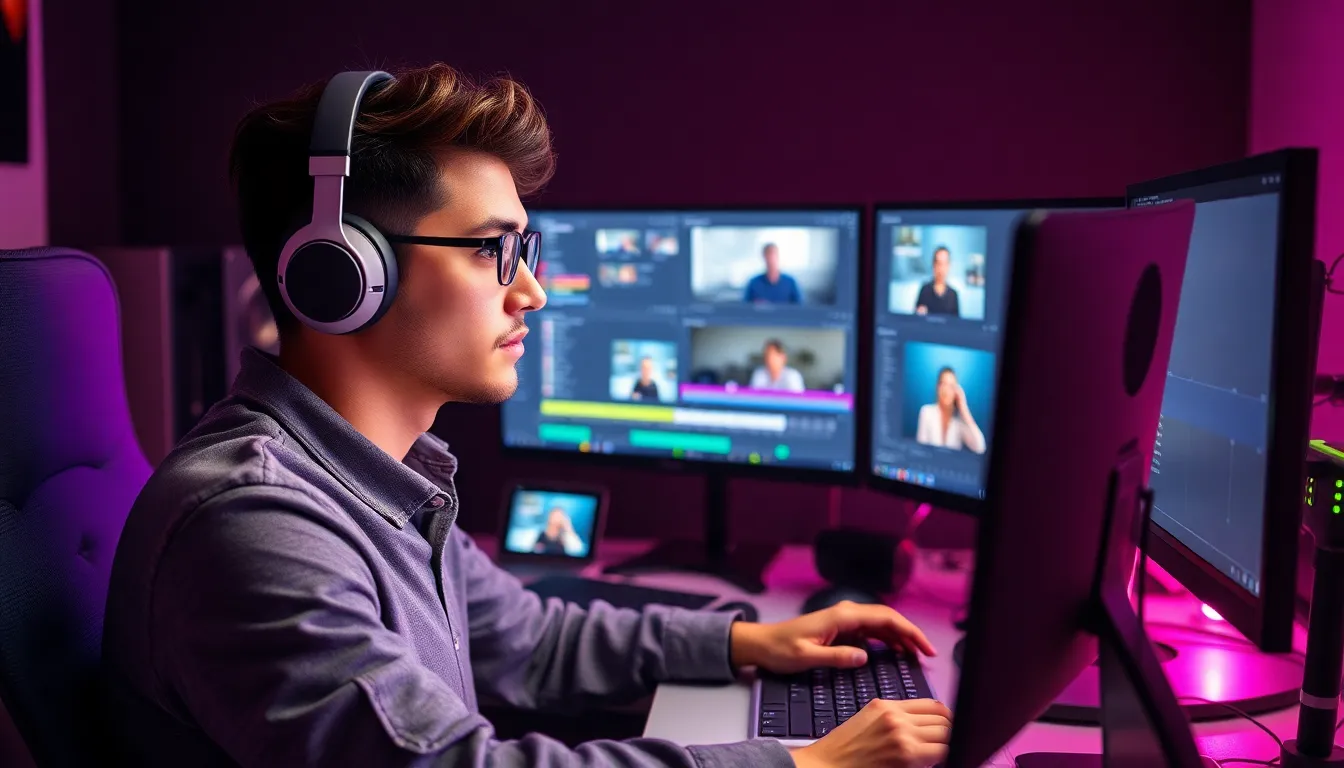
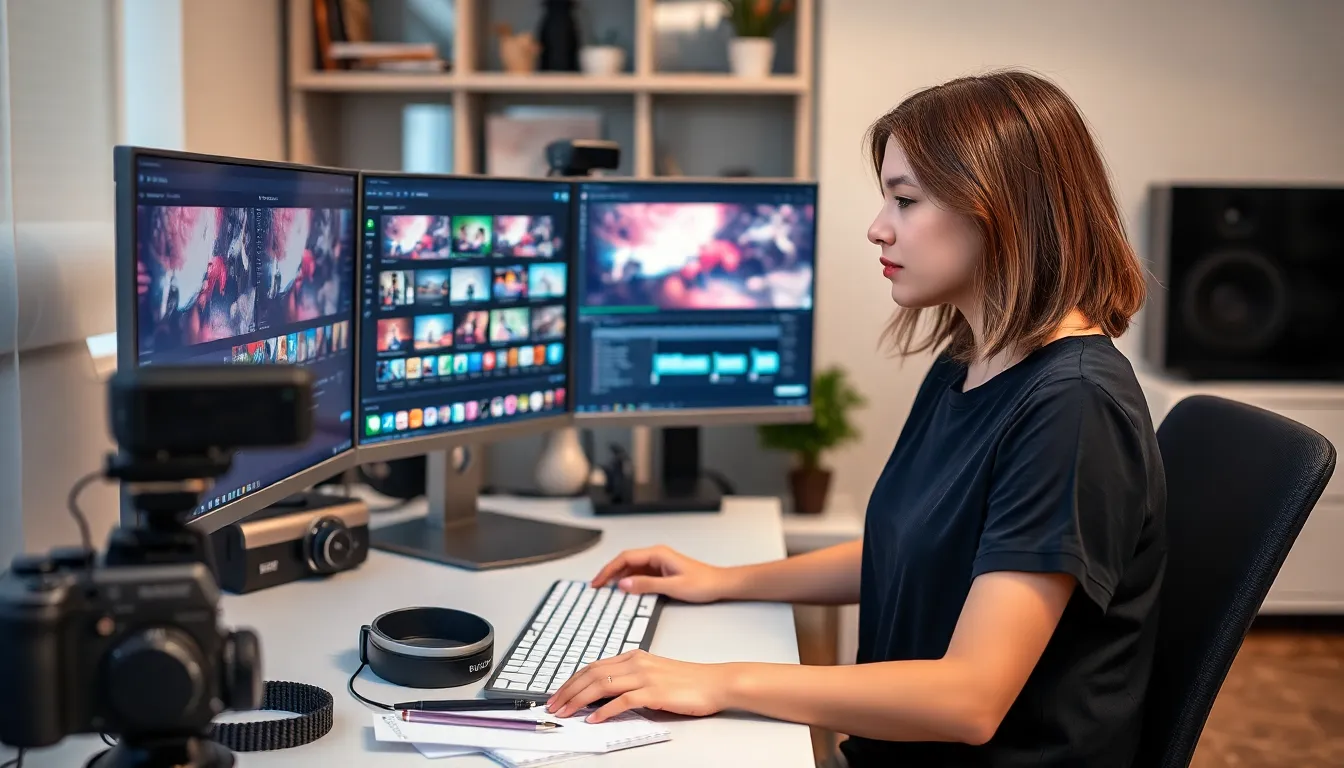
Freelance video editors must possess a mix of technical and soft skills to thrive in the industry. These competencies enhance their ability to produce high-quality content.
Technical Skills Required
Proficiency in editing software stands out as a crucial requirement. Adobe Premiere Pro and Final Cut Pro remain industry standards, providing tools for cutting, trimming, and layering video. Understanding color correction elevates the visual appeal, ensuring footage maintains a professional look. Knowledge of sound design adds depth, as editors synchronize audio tracks with visual elements, enhancing storytelling. Familiarity with file formats and compression techniques peaks efficiency, allowing for seamless delivery across platforms. Grasping these technical skills enables freelance video editors to meet diverse client needs.
Soft Skills Important for Success
Communication skills play a vital role in successful freelance video editing. Engaging with clients effectively helps understand their vision and expectations. Creativity fuels innovative approaches, allowing editors to present unique narratives that captivate audiences. Time management ensures projects meet deadlines while maintaining quality standards. Collaboration skills foster positive relationships with clients and other creatives, leading to valuable opportunities. Adaptability to ever-evolving trends and technology strengthens an editor’s relevance in the marketplace. Mastering these soft skills significantly contributes to a freelance video editor’s success.
Finding Freelance Video Editing Jobs
Freelance video editing jobs can be found through various avenues, enhancing opportunities for skilled editors.
Platforms for Freelance Opportunities
Numerous platforms cater specifically to freelancers, connecting them with potential clients. Websites like Upwork and Fiverr offer spaces where editors can showcase their portfolios and bid on projects. Additionally, specialized platforms such as Freelancer and PeoplePerHour focus exclusively on creative gigs, including video editing. LinkedIn serves as a professional networking tool, allowing editors to engage with industry experts and discover job postings. Social media also plays a role; Facebook groups and Twitter threads often share freelance opportunities. Each platform requires editors to create a compelling profile to attract clients effectively.
Networking and Building Client Relationships
Networking serves as a crucial strategy in building a successful freelance video editing career. Attending industry events, workshops, and conferences connects editors with potential clients and peers. Engaging with local production companies creates opportunities for collaborations and referrals. Regular communication with past clients can lead to repeat business or recommendations. Using social media to share completed projects enhances visibility and invites new inquiries. Building relationships fosters trust, making it easier for clients to return for future projects. Effective networking ultimately strengthens an editor’s reputation in the freelance landscape.
Pricing Your Freelance Video Editing Services
Freelancers often face challenges when determining their pricing strategy for video editing services. Understanding the factors at play is essential for setting competitive rates.
Factors Influencing Rates
Experience level significantly affects pricing. Newer editors may charge around $25 per hour, while experienced professionals can command rates of $100 or more per hour. Project complexity also plays a role; projects requiring advanced techniques, such as motion graphics or color grading, typically warrant higher fees. Client budget varies greatly across industries, influencing how much an editor can charge. Time constraints and delivery deadlines may necessitate additional charges for expedited work. Knowing the market trends enables editors to adjust their rates in response to demand.
Creating Service Packages
Service packages offer clarity and showcase value. Freelancers can create tiered packages, ranging from basic edits to comprehensive services that include color correction, sound mixing, and promotional trailers. Customizing packages for specific client needs enhances appeal and satisfaction. Pricing these packages competitively ensures they attract diverse clients while reflecting skill level. Transparent communication about what each package includes fosters trust and clarity. Freelancers can also consider offering a retainer model for ongoing projects, providing clients with consistent access to their skills.
Challenges in Freelance Video Editing
Freelance video editing presents various challenges that professionals encounter in the industry.
Time Management and Deadlines
Time management significantly impacts project delivery. Freelancers often juggle multiple projects simultaneously, making effective scheduling crucial. Delivering projects on or before deadlines enhances client satisfaction and influences future opportunities. Unexpected changes or technical issues may arise, demanding quick adjustments. Prioritizing tasks based on urgency helps maintain productivity, ensuring editors allocate sufficient time for each project. Utilizing productivity tools can streamline workflows and foster better organization. Ultimately, balancing time management with project quality reflects an editor’s professionalism and reliability in the competitive freelance landscape.
Dealing with Client Feedback
Client feedback plays a vital role in the editing process. Freelancers frequently face varying opinions, from minor adjustments to major revisions. Communicating effectively with clients clarifies expectations and fosters collaboration. Instead of viewing feedback as criticism, editors should see it as an opportunity for growth and improvement. Adapting to feedback while maintaining personal creative vision can be challenging. Establishing clear guidelines for revisions streamlines the process and minimizes misunderstandings. Consistent engagement with clients throughout the editing journey promotes trust and leads to satisfied customers who appreciate the editor’s commitment to achieving their vision.