
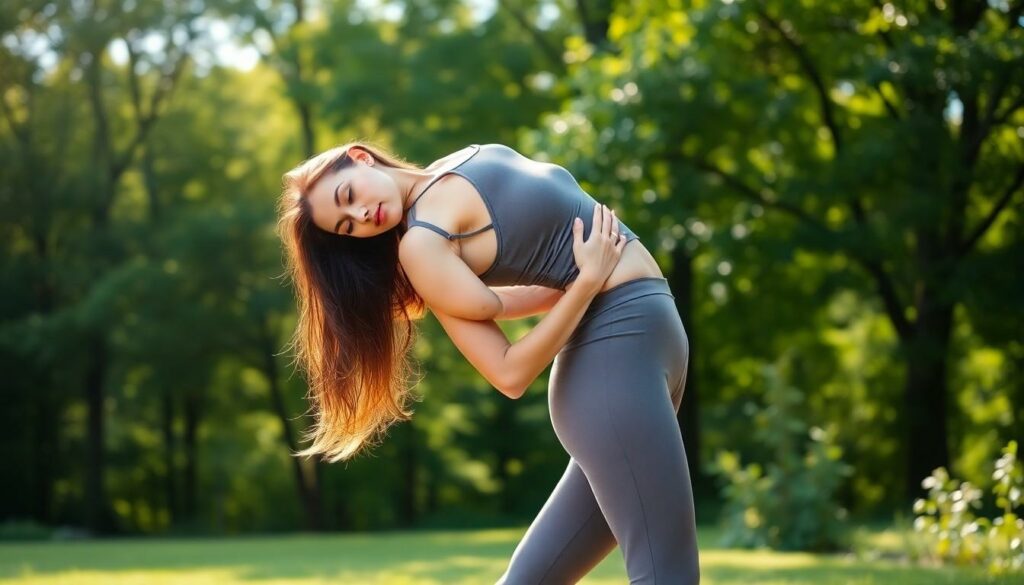
Ever wondered how yogis achieve that perfect balance between physical strength and mental serenity? Anttavasana, also known as the Standing Forward Bend pose, stands out as one of yoga’s most transformative postures. This powerful asana combines the benefits of inversion with deep stretching making it a favorite among both beginners and advanced practitioners. While its Sanskrit name might sound intimidating anttavasana actually translates to “”end of stretch pose”” – and it’s exactly what your body needs after a long day hunched over a desk. From improving posture to boosting blood circulation and calming the mind this pose packs quite a punch in the wellness department. As more people discover the remarkable benefits of this ancient practice it’s becoming a go-to solution for modern-day stress and physical tension.
Anttavasana
Anttavasana represents a profound standing forward bend in yoga that focuses on deep stretching and spinal alignment. This asana combines elements of both forward folding and gentle inversion to create a comprehensive pose for physical and mental benefits.Origin and Traditional Meaning
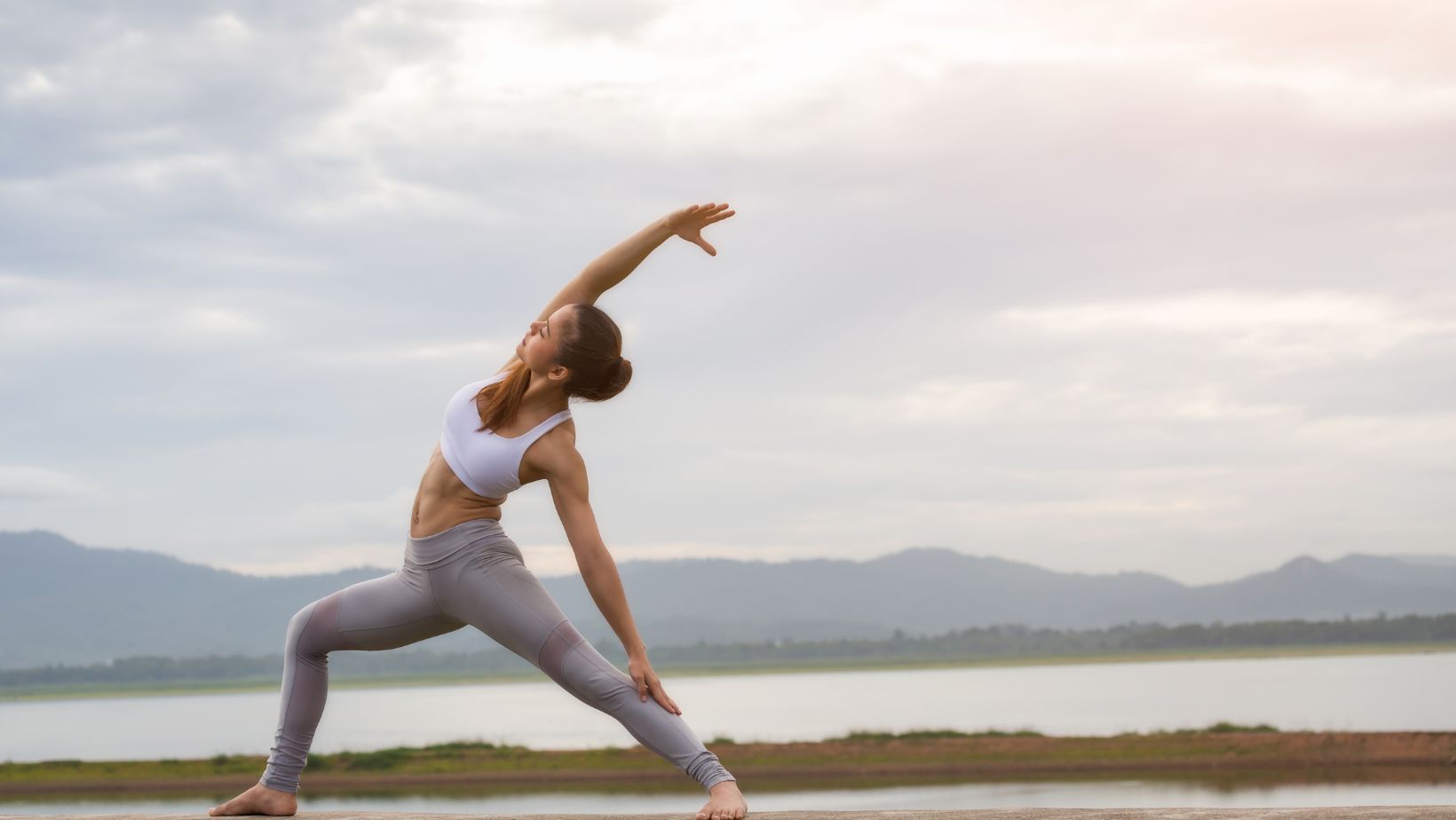 Anttavasana derives from three Sanskrit words: “”antta”” meaning end, “”va”” meaning stretch, and “”asana”” meaning pose or seat. Ancient yoga texts mention this pose in connection with the development of mental clarity and physical purification. Traditional yogic wisdom attributes Anttavasana’s origins to the classical Hatha yoga period, approximately 1,000 years ago. The pose symbolizes surrender and introspection in yogic philosophy, representing the practitioner’s journey toward inner awareness through physical posture.
Key Components of the Pose
The foundational elements of Anttavasana include:-
- Feet placement at hip-width distance
-
- Forward fold from the hip joints
-
- Elongated spine throughout the movement
-
- Relaxed neck and head position
-
- Engaged core muscles for stability
-
- Bent knees for beginners
-
- Extended arms parallel to the ground
-
- Controlled breath coordination
-
- Hip flexors
-
- Hamstrings
-
- Lower back muscles
-
- Shoulder blades
-
- Core engagement
Benefits of Practicing Anttavasana
Physical Benefits
Regular practice of Anttavasana strengthens the entire posterior chain muscles from calves to upper back. The pose decompresses the spine, alleviating tension in the vertebrae and reducing pressure on spinal discs. Blood circulation improves throughout the body, particularly to the brain due to the mild inversion effect. Core muscles gain increased stability through the engagement required to maintain proper alignment. The deep stretching action lengthens hamstrings, hip flexors and lower back muscles, improving overall flexibility. Practitioners experience enhanced digestive function through the gentle compression of abdominal organs. The pose also promotes better posture by strengthening the muscles that support spinal alignment.Mental and Emotional Benefits
Anttavasana creates a profound calming effect on the nervous system through its forward folding action. The pose activates the parasympathetic nervous system, reducing stress hormones like cortisol in the body. Practitioners report improved focus and mental clarity from the increased blood flow to the brain. The meditative aspects of holding the pose cultivate mindfulness and present-moment awareness. Regular practice helps reduce anxiety symptoms through regulated breathing patterns. The pose encourages emotional release by creating a sense of letting go and surrender. Concentration improves as practitioners maintain balance and proper alignment throughout the hold. The introspective nature of the pose fosters self-awareness and emotional regulation.How to Perform Anttavasana
Anttavasana requires precise execution to maximize its benefits while maintaining safety. The pose integrates both standing and forward bending elements to create a comprehensive stretch.Step-by-Step Instructions
-
- Stand with feet hip-width apart on a non-slip surface
-
- Engage the core muscles while keeping shoulders relaxed
-
- Inhale deeply while lifting arms overhead
-
- Hinge at the hips while maintaining a flat back
-
- Lower the torso forward parallel to the floor
-
- Allow arms to hang naturally toward the ground
-
- Bend knees slightly to protect the lower back
-
- Release the head neck tension letting it hang heavy
-
- Hold the position for 5 to 8 breaths
-
- Roll up slowly vertebra by vertebra to return upright
Important Alignment Cues
-
- Stack shoulders directly above hips in the initial standing position
-
- Press feet firmly into the ground through all four corners
-
- Create length in the spine by reaching crown of head forward
-
- Keep weight balanced between balls feet heels
-
- Maintain space between shoulders ears throughout the pose
-
- Draw navel toward spine to protect lower back
-
- Position hip creases parallel to front edge of mat
-
- Allow shoulder blades to spread wide across back
-
- Keep neck in line with natural spine curve
-
- Root tailbone down while extending sternum forward
Common Mistakes to Avoid
Practicing Anttavasana requires attention to detail and proper alignment to maximize benefits and prevent injury. Understanding these common pitfalls helps practitioners maintain safe and effective practice.Safety Precautions and Modifications
-
- Engaging core muscles throughout the pose
-
- Maintaining parallel feet alignment
-
- Breathing steadily without holding breath
-
- Avoiding bouncing movements in the stretch
-
- Rising slowly from the pose to prevent dizziness
-
- Keeping weight distributed evenly across both feet
Integration Into Your Yoga Practice
Anttavasana seamlessly incorporates into various yoga sequences through strategic placement. Practitioners integrate this pose effectively in multiple ways:Morning Practice Integration
-
- Place Anttavasana early in sun salutations for gentle warming
-
- Combine with cat-cow stretches to prepare the spine
-
- Use as a transition between standing poses
-
- Follow with gentle twists to complement the forward fold
Flow Sequence Placement
-
- Link between warrior poses for dynamic movement
-
- Pair with downward dog for spinal lengthening
-
- Connect to triangle pose for lateral stretching
-
- Incorporate between balancing poses for grounding
Intensity Variations
| Practice Level | Hold Duration | Focus Area        |
|----------------|---------------|-------------------|
| Beginner       | 30 seconds    | Basic alignment   |
| Intermediate   | 1-2 minutes   | Deep stretching   |
| Advanced       | 3-5 minutes   | Meditation focus  |
Complementary Poses
-
- Child’s pose provides counter stretching
-
- Mountain pose establishes proper alignment
-
- Bridge pose opens the front body
-
- Staff pose reinforces spinal extension
-
- Stress relief: Hold longer with focused breathing
-
- Flexibility: Combine with hip openers
-
- Strength building: Add core engagement
-
- Meditation: Practice with breath awareness