

In the fast-paced world of education and training, staying ahead of the curve is crucial. Instructional design trends are evolving faster than a cat meme goes viral. From gamification to microlearning, these trends aren’t just buzzwords; they’re reshaping how knowledge is delivered and absorbed.
Picture this: learners engaged and motivated, eagerly diving into content that feels less like a chore and more like a game. As technology advances, so do the strategies that instructional designers use to create impactful learning experiences. Embracing these trends can turn mundane training sessions into exciting adventures. Let’s explore the latest innovations that are transforming the landscape of instructional design and see how they can elevate learning to new heights.
Instructional Design Trends
The world of instructional design is in constant flux, with new methodologies emerging to enhance learning experiences. Current trends focus on creating engaging environments that cater to diverse learner needs.
Current Landscape of Instructional Design
Innovative approaches like gamification create interactive experiences, making learning enjoyable. Microlearning segments content into bite-sized pieces, facilitating easier consumption. The usage of virtual reality immerses learners in realistic scenarios, increasing retention rates. Adaptive learning technologies personalize experiences based on individual progress, optimizing the learning curve. Trainers increasingly utilize social learning techniques, encouraging collaboration among peers and fostering community.
Importance of Staying Updated
Staying informed about trends in instructional design proves crucial for professionals in the field. Regularly acquiring knowledge about emerging technologies enhances the quality of training programs. Organizations that adopt current methodologies demonstrate adaptability, vital for meeting learner expectations. Professionals equipped with updated skills contribute to improved learner engagement and motivation. Overall, a commitment to ongoing education ensures that instructional designers remain competitive in a rapidly evolving landscape.
Emerging Technologies in Instructional Design
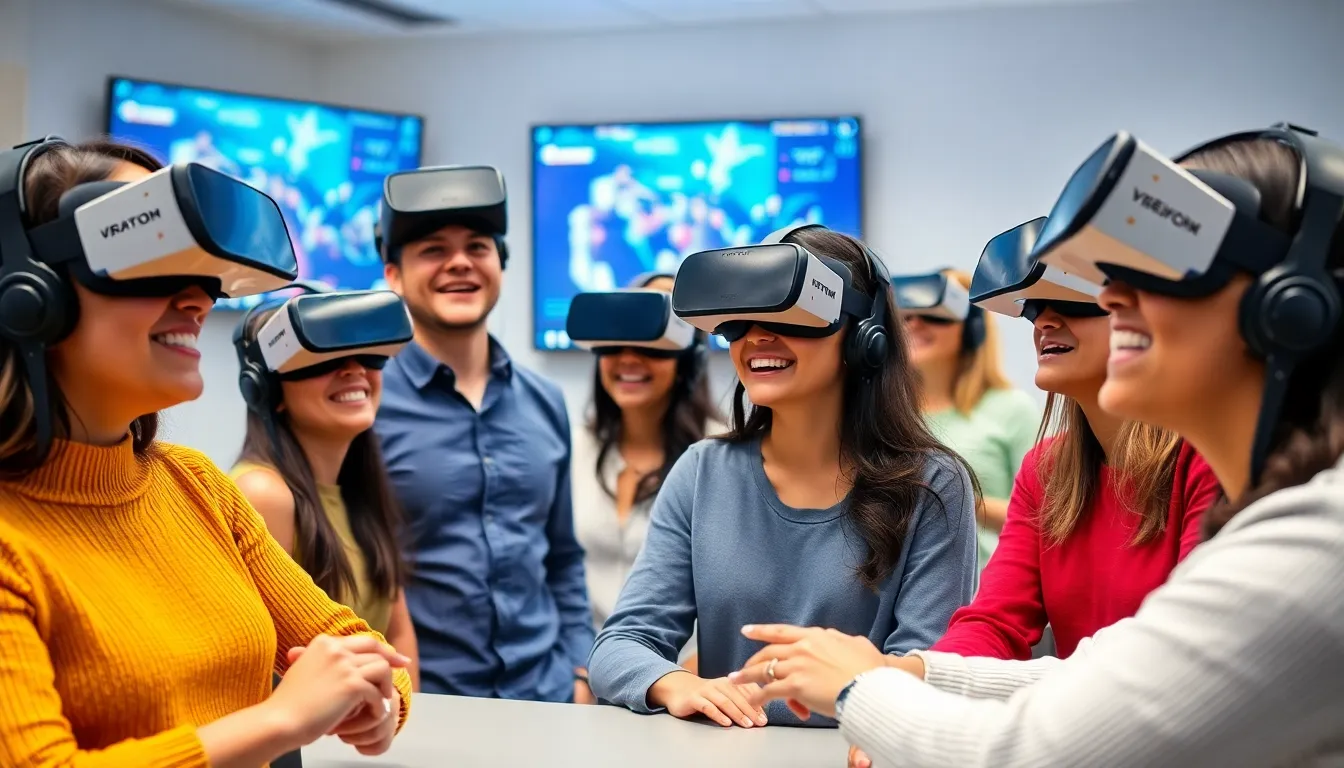
Emerging technologies shape instructional design by enhancing engagement and interactivity. These innovations play a critical role in meeting diverse learner needs.
Artificial Intelligence and Machine Learning
Artificial intelligence (AI) and machine learning (ML) enable personalized learning experiences. They analyze user behavior, adapting content to fit individual progress and preferences. AI-powered chatbots support learners by answering questions in real time, enhancing accessibility. Predictive analytics help designers identify knowledge gaps, allowing for targeted interventions. These technologies facilitate data-driven decision making, improving the overall effectiveness of training programs.
Virtual and Augmented Reality
Virtual reality (VR) immerses learners in simulated environments, offering hands-on experiences without real-world consequences. Augmented reality (AR) overlays digital information onto the real world, providing context and enhancing understanding. By engaging multiple senses, these technologies increase retention rates. VR and AR applications support scenarios that promote critical thinking and problem solving. Organizations value this interactive approach, as it fosters deeper learning connections and improves learner satisfaction.
Learner-Centered Approaches
Learner-centered approaches focus on meeting the diverse needs of students. These methods prioritize individual preferences and behaviors for a more effective learning experience.
Personalization and Adaptivity
Personalized learning tailors educational experiences to fit individual learner profiles. This adaptability enhances engagement by aligning content with each learner’s interests and pace. Using data analytics, instructional designers create customized pathways that emphasize strengths while addressing weaknesses. Personalized interventions increase motivation and retention by providing relevant resources. Learning platforms also adapt in real-time, ensuring content evolves based on user interaction, fostering a more immersive educational experience.
Collaborative Learning Environments
Collaborative learning environments encourage interaction among learners. These settings create opportunities for teamwork and peer support. Group projects and discussion forums stimulate critical thinking and communication skills. By leveraging technology, instructional designers facilitate collaboration across geographical boundaries. Tools like shared documents and communication apps enable learners to work together seamlessly. This approach not only enhances social skills but also solidifies knowledge through shared perspectives and collaborative problem-solving.
Trends in Assessment and Feedback
Assessment and feedback trends in instructional design focus on enhancing learner engagement and improving learning outcomes. Two key components in this area are formative and summative assessments, as well as real-time feedback mechanisms.
Formative vs. Summative Assessment
Formative assessment emphasizes ongoing feedback during the learning process. It helps instructors identify areas where students struggle, allowing them to adjust instruction accordingly. Examples include quizzes and peer assessments, which provide immediate insights into learner comprehension. In contrast, summative assessment evaluates student learning at the end of a course or module. Traditional exams and final projects serve this purpose, measuring overall achievement. Both methods play a crucial role in developing effective instructional strategies, ensuring that designs meet learners’ needs.
Real-Time Feedback Mechanisms
Real-time feedback mechanisms significantly enhance the learning experience. These tools allow learners to receive immediate insights on their performance. Technologies such as AI chatbots and learning management systems offer tailored feedback, helping students address misunderstandings instantly. Additionally, interactive platforms facilitate peer reviews and collaborative feedback, fostering a community of learning. Continuous improvement through real-time feedback helps learners stay engaged and motivated, ultimately leading to a deeper understanding of the material.
Future Directions for Instructional Design
The landscape of instructional design is set to evolve dramatically in the coming years. A focus on emerging technologies and learner-centered strategies prevails among industry experts.
Predictions for the Next Decade
Transformative educational technologies will reshape instructional design over the next decade. Increased integration of AI will lead to more personalized learning experiences based on data analysis. Adaptive learning platforms can continuously update content to meet individual learner needs. Additionally, virtual and augmented reality will provide immersive environments that facilitate experiential learning. Gamification will gain further traction, making learning engaging through game-like elements and competitive formats. As online collaboration tools advance, they will foster greater connectivity among learners, transcending geographical boundaries.
The Role of Educational Research
Evidence-based practices will drive future instructional design trends. Research into cognitive science will inform better approaches to learning and retention. Innovations from educational research will facilitate the development of effective training methodologies. Insights about learner behavior will guide instructional designers in creating personalized experiences. The ongoing study of social learning dynamics will deepen understanding of collaborative environments. Furthermore, findings on the efficacy of various assessment methods will refine strategies for feedback and evaluation. Adopting research-driven solutions will enhance the overall quality of educational offerings.
Conclusion
The future of instructional design is bright and filled with possibilities. By embracing innovative trends like gamification and microlearning, professionals can create engaging learning experiences that resonate with diverse audiences. The integration of emerging technologies such as AI and VR not only enhances personalization but also fosters collaboration among learners.
As the educational landscape continues to evolve, staying informed about these trends is essential for instructional designers. Adapting to new methodologies and leveraging research-driven practices will ensure that training remains relevant and effective. Ultimately, a commitment to continuous improvement will empower organizations to meet the ever-changing needs of learners and maintain a competitive edge.