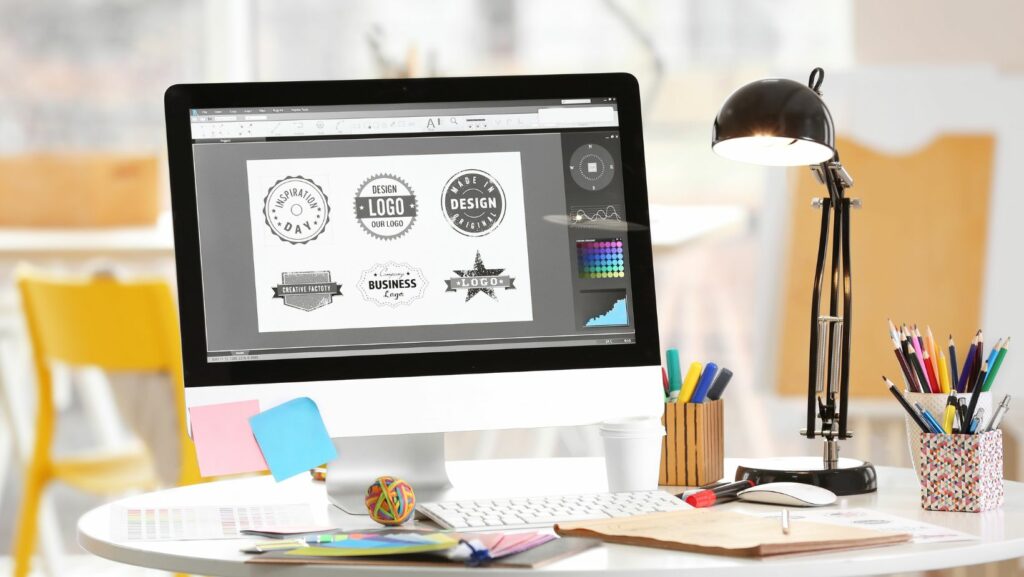

In the fast-paced world of technology, UI design trends are constantly evolving, making it a challenge to keep up. But don’t worry—staying ahead in the game doesn’t require a crystal ball or a secret potion. Just a keen eye for what’s hot and what’s not! From playful animations to minimalist layouts, the right design can turn a mundane interface into an engaging experience that keeps users coming back for more.
As businesses scramble to capture attention in a crowded digital landscape, understanding these trends is key. After all, a well-designed UI isn’t just eye candy; it’s the difference between a user sticking around or bouncing faster than a rubber ball. So buckle up and get ready to dive into the latest UI design trends that’ll not only elevate your projects but also keep your users smiling.
UI Design Trends
UI design continues to evolve, highlighting several key trends. Increased emphasis on minimalism reflects a broader movement toward simplicity. Clean lines and ample white space help create clarity and enhance user focus.
Dark mode functionality has gained popularity, offering users an alternative that reduces eye strain in low-light environments. Many applications now incorporate this feature to cater to user preferences.
Neumorphism is also becoming more prevalent in UI design. It utilizes soft shadows and highlights, creating a pseudo-3D effect that enhances depth while maintaining a clean aesthetic. Designers leverage this trend to give interfaces a tactile appearance.
Microinteractions play a significant role in user engagement. Subtle animations and transitions are used to guide users through tasks or provide feedback. Enhancing usability, these elements establish a dynamic connection that keeps users engaged without being intrusive.
Incorporating bold typography has become a staple. Large, eye-catching fonts grab attention and convey messages effectively. This trend is often paired with contrasting colors to create a striking visual hierarchy.
Personalization enhances user experience by catering to individual preferences. Customizable interfaces allow users to tailor their experiences, resulting in a more enjoyable interaction with the product.
Sustainability in design is emerging as a priority. More designers emphasize eco-friendly practices, opting for responsible materials and designs that minimize digital waste. Prioritizing ethical considerations not only attracts environmentally-conscious users but also reflects a brand’s values.
Understanding these trends enables designers to create compelling and effective user experiences that stand out in a competitive market.
Minimalism in UI Design

Minimalism stands out as a defining trend in UI design. This approach emphasizes simplicity, enabling users to focus on content without distraction.
Characteristics of Minimalism
Minimalist design relies on clean lines and generous white space. Each element serves a clear purpose, promoting ease of navigation. The color palette typically features a limited selection, fostering coherence and visual harmony. Font choices tend to be straightforward, enhancing readability. Icons often possess simple shapes to communicate functions effectively. Overall, a clutter-free interface allows users to engage quickly and intuitively with the content.
Benefits of Minimalist Design
Minimizing design elements enhances user experience significantly. Users find it easier to navigate interfaces without unnecessary distractions. Fast loading times often accompany minimalist designs, which improve overall performance. Clarity and focus in content presentation increase comprehension and retention. Less visual noise promotes a calming experience, reducing cognitive load. Businesses benefit from increased user engagement and satisfaction, leading to higher retention rates. Ultimately, these advantages contribute to a more effective and enjoyable interaction with digital products.
Dark Mode Adoption
Dark mode adoption has surged as a preferred feature in many applications and operating systems. Users appreciate its aesthetic appeal and the reduced eye strain it offers in low-light environments.
Popularity among Users
Many users favor dark mode for its sleek design and modern appearance. Research indicates that around 80% of users prefer applications that feature dark mode options. Convenience plays a significant role, as users often switch to dark mode during nighttime or in dimly lit settings. Social media platforms and popular software are increasingly integrating this feature, responding to user demands. User feedback shows a positive reception, with many expressing preference for interfaces that utilize darker themes.
Impact on User Experience
Enhanced user experience results from implementing dark mode effectively. Eye strain decreases significantly, making prolonged screen time more comfortable. Navigation becomes enjoyable as users can focus on content without the brightness of traditional themes overwhelming them. Additionally, battery usage often improves on OLED screens with dark mode enabled. Designers leverage this trend to create intuitive, visually appealing applications that cater to user comfort. User satisfaction levels rise as they find engagement increases in dark-themed interfaces.
Microinteractions
Microinteractions play a crucial role in enhancing user engagement within digital interfaces. These small animations or design elements provide feedback, guide users through tasks, and improve overall experiences.
Definition and Importance
Microinteractions refer to contained product moments focused on a single task. They include actions like liking a post, toggling a switch, or receiving notifications. Such interactions enhance user satisfaction by offering immediate feedback and intuitive guidance. Designers recognize the importance of these subtle elements as they reduce cognitive load and create a sense of accomplishment. Efficient microinteractions build a connection between users and the interface, leading to increased usability and enjoyment.
Examples of Effective Microinteractions
Effective microinteractions include animations that signal user actions. A common example is a thumbs-up icon that animates when a user likes a post, providing instant acknowledgment. Another instance involves a loading spinner that visually indicates progress, keeping users informed. Notifications that subtly slide in can grab attention without being intrusive. Buttons that change color or shape when hovered over enhance interactivity, making the interface feel more alive. These examples demonstrate how microinteractions elevate user experience, contributing to a smoother and more engaging digital journey.
Voice User Interfaces
Voice User Interfaces (VUIs) are gaining traction, redefining how users interact with technology. This trend reflects a shift toward hands-free experiences, catering to convenience and efficiency.
Rise of Voice Technology
Voice technology has grown significantly, with over 35% of U.S. households owning smart speakers as of 2023. Users appreciate the ability to perform tasks like controlling smart home devices or accessing information through simple voice commands. This technology enhances accessibility for individuals with disabilities, making interactions more inclusive. Brands increasingly recognize voice as an essential channel, integrating it into their digital strategies to meet evolving user expectations.
Designing for Voice Interactions
Designing for voice interactions requires a different approach compared to traditional interfaces. Focusing on natural language processing plays a key role in understanding user intent accurately. Interface feedback should be immediate and clear, providing confirmations through audio cues or brief responses. Crafting conversational scripts enhances user engagement, enabling seamless dialogues. Prioritizing user context enriches interactions, as VUIs can adapt based on the user’s environment or situation. This strategy creates a more personalized and efficient experience, vital for maintaining user satisfaction.
Sustainability in UI Design
Eco-friendly practices in UI design focus on creating environmentally conscious digital experiences. Designers prioritize sustainable methods, resulting in reduced energy consumption and waste.
Eco-Friendly Design Principles
Sustainable UI design principles encourage minimal resource use and efficient functionality. Focusing on user-centric experiences leads designers to create interfaces that work seamlessly across devices. Implementing energy-efficient features reduces the energy required for user interactions. Using fewer design elements simplifies navigation, thus enhancing user engagement. Opting for sustainable hosting services further minimizes carbon footprints. Incorporating dark mode options not only enhances aesthetics but also improves battery life on devices. By emphasizing accessibility, designers ensure that all users, including those with disabilities, can engage with interfaces without barriers.
Case Studies of Sustainable UI
Numerous companies exemplify sustainable UI practices through innovative design. An app focused on eco-friendly travel helps users find green accommodations and transport options. This platform features energy-efficient routing, which minimizes carbon emissions. A financial tool encourages users to invest in sustainable businesses by showcasing their environmental impact. Through interactive dashboards, users visualize their carbon footprints, fostering responsible financial decisions. A leading e-commerce site adopts a minimalist design to reduce server load times, enhancing both speed and energy conservation. These case studies illustrate the effectiveness of sustainability in UI design while promoting user awareness and positive environmental actions.
Conclusion
UI design trends are crucial for creating engaging user experiences that resonate with today’s audiences. By embracing minimalism dark mode neumorphism and microinteractions designers can significantly enhance usability and satisfaction. Bold typography and personalization add visual appeal while catering to individual preferences.
As voice user interfaces gain traction the focus on accessibility and convenience becomes more important. Sustainability in design is also emerging as a key consideration encouraging eco-friendly practices that benefit both users and the environment. Staying informed on these trends will empower designers to craft innovative solutions that not only captivate users but also stand out in a competitive landscape.