
In today’s fast-paced world, workplace design is more than just aesthetics; it’s about creating an environment that fuels productivity and inspires creativity. Gone are the days of drab cubicles and fluorescent lighting. Modern offices are embracing trends that not only look good but also make employees feel good. Imagine stepping into a space that feels less like a grind and more like a hub of innovation. Sounds dreamy, right?
From biophilic designs that bring the outdoors in to flexible workspaces that adapt to individual needs, the latest trends are shaking up how we think about our work environments. These design shifts aren’t just about keeping up with the Joneses; they’re essential for attracting top talent and enhancing employee satisfaction. So grab a cup of coffee and dive into the exciting world of workplace design trends that are transforming offices into vibrant ecosystems.
Workplace Design Trends
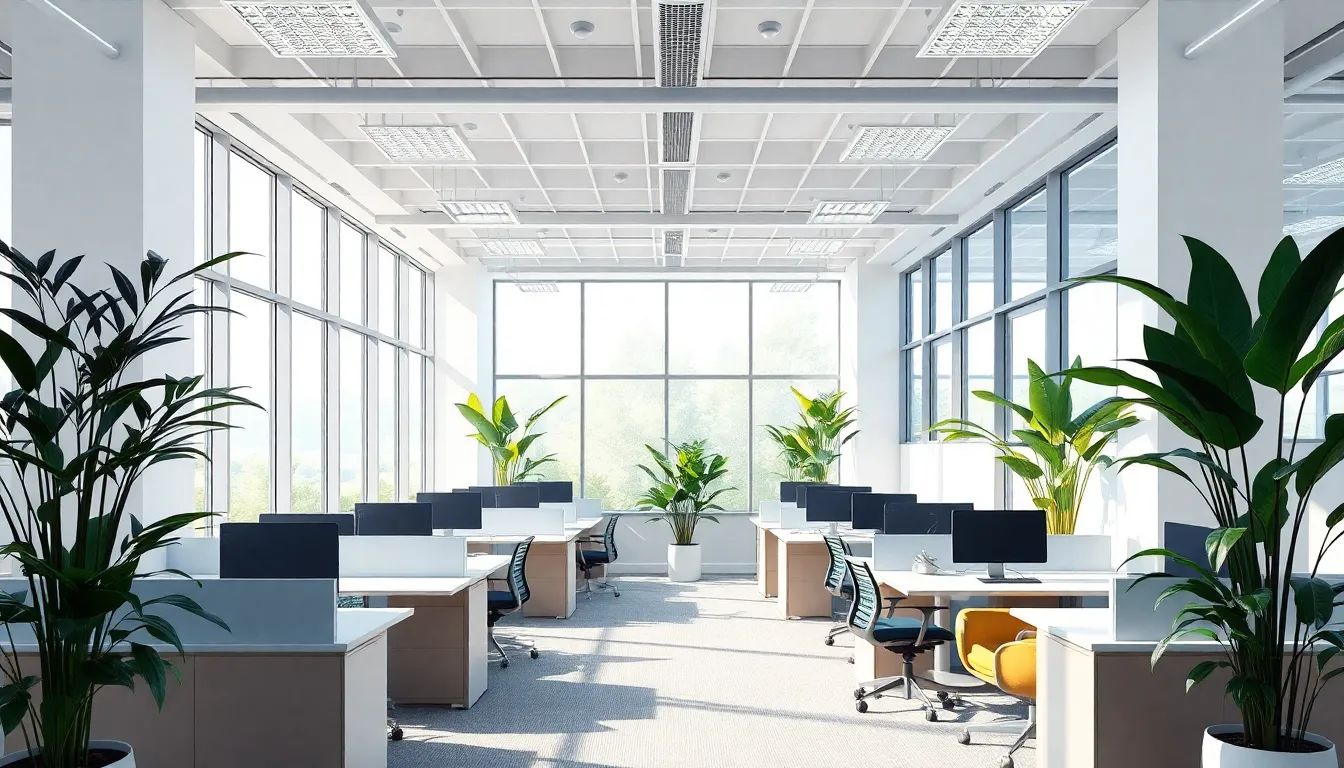
Workplace design has evolved significantly, focusing on fostering productivity and creativity. A prominent trend is biophilic design, which integrates natural elements into office spaces. Incorporating plants, natural light, and water features creates a calming environment that enhances well-being. Flexible workspaces stand out, accommodating various working styles and preferences. Employees can choose from collaborative areas, quiet spaces, or even outdoor work settings.
Another aspect noteworthy is the emphasis on technology integration. Modern offices boast smart technologies that improve efficiency and connectivity. These tools allow seamless communication and collaboration among teams, regardless of location. Creating a hybrid work model is increasingly common, catering to remote and in-office employees alike.
Sustainability also plays a crucial role in contemporary workplace design. Businesses are prioritizing eco-friendly materials and energy-efficient systems. Implementing renewable energy sources not only cuts costs but also appeals to environmentally conscious talent.
Aesthetic choices also reflect this transformation. Warm color palettes, natural finishes, and ergonomic furniture enhance comfort and promote productivity. Companies recognize that a pleasing visual environment positively impacts employee morale.
Inclusivity and diversity in design are becoming more significant. Workspaces are designed to be accessible and welcoming for everyone, regardless of ability. Implementing features like adjustable desks and sensory-friendly areas highlights this focus.
These trends showcase the shift in workplace priorities. Organizations now view office design as a vital element for attracting and retaining talent. As the landscape continues to develop, staying informed about these innovations becomes essential for companies aiming to cultivate a productive, engaging work environment.
Importance of Workplace Design
Workplace design holds significant importance in fostering a positive environment. It impacts employee satisfaction and overall organizational success.
Enhancing Employee Well-being
Enhancing employee well-being involves creating spaces that promote comfort and health. Natural light plays a crucial role, as research shows it improves mood and decreases fatigue. Integrating biophilic elements, such as indoor plants, contributes to a calming atmosphere while reducing stress levels. Ergonomic furniture also supports physical health, enabling employees to focus on their tasks without discomfort. Accessibility features ensure that all individuals feel welcomed and valued, fostering inclusivity and a sense of belonging. Organizations that prioritize well-being directly influence employee retention and engagement.
Boosting Productivity
Boosting productivity in the workplace centers around effective design and space utilization. Flexible workspaces encourage employees to select environments that best suit their working style. Collaborative areas stimulate innovation, while quiet zones facilitate concentration for focused tasks. Technology integration enhances communication, allowing seamless interactions between in-office and remote workers. Aesthetically pleasing designs, including inviting color palettes, also improve morale, which correlates with increased productivity levels. Ultimately, an intentionally designed workplace creates a productive culture, driving organizational goals forward.
Key Trends in Workplace Design
Workplace design trends focus on enhancing productivity and employee satisfaction. Organizations adopt various strategies to create engaging environments.
Flexible Workspaces
Flexible workspaces adapt to diverse working styles, promoting collaboration and individual focus. Spaces are designed to offer multiple options, such as collaboration areas, quiet zones, and outdoor meeting spots. Employees can choose the environment that suits their needs best. This approach fosters a culture of empowerment and enhances overall job performance. Statistics indicate that 83% of employees prefer workplaces that support flexible working arrangements. Adopting flexible workspaces contributes significantly to higher employee morale and retention rates.
Biophilic Design
Biophilic design integrates nature into office environments, creating calming and restorative spaces. Natural elements like plants, water features, and abundant natural light contribute to employee well-being and productivity. This design approach not only enhances aesthetics but also promotes mental health. Research shows that exposure to nature can lead to a reduction in stress levels and increased creativity. Incorporating biophilic elements can increase employee satisfaction by 15%. Ultimately, organizations prioritizing biophilic design inspire healthier work environments.
Technology Integration
Technology integration transforms modern workplaces, facilitating seamless communication and collaboration. Smart technologies enable efficient workflows and support hybrid work models for remote and on-site employees. Features such as video conferencing tools and cloud-based systems ensure connectivity regardless of location. Data indicates that 72% of companies utilizing advanced tech report enhanced productivity. By implementing up-to-date technologies, organizations enhance employee experiences and meet the demands of an evolving workforce. Effective technology integration also streamlines office operations, paving the way for growth and innovation.
The Impact of Remote Work
Remote work has significantly influenced workplace design trends. Organizations now prioritize flexibility, fostering environments that accommodate various working arrangements.
Hybrid Work Models
Hybrid work models blend in-office and remote environments. Employees enjoy the freedom to choose their preferred work setting. Companies report that 83% of employees prefer workplaces supporting flexible arrangements, leading to improved morale. Designed spaces provide a mix of collaboration areas and quiet zones, optimizing productivity for diverse working styles. Integration of technology enhances these models, enabling seamless communication between remote and onsite teams. Data shows that 72% of companies using advanced tech experience increased productivity, reinforcing the importance of adaptable designs in today’s work culture.
Designing for Collaboration
Collaborative spaces have gained prominence in modern office layouts. These areas encourage teamwork and innovation among employees. Incorporating flexible furniture enables quick reconfiguration to suit different group sizes and project needs. Productivity benefits from spaces that stimulate interaction while providing necessary privacy. Evidence suggests that environments emphasizing collaboration create a sense of belonging and community. Designers focus on elements that enhance social connections, such as inviting common areas and break-out zones. Ultimately, intentional design fosters collaboration, directly impacting overall employee satisfaction and organizational success.
Future Predictions for Workplace Design Trends
Sustainable design practices gain momentum as organizations adopt eco-friendly materials. Companies increasingly focus on energy efficiency, contributing to environmental conservation. Research indicates that 72% of employees express a preference for workplaces that prioritize sustainability, reflecting a shift in employee values.
Flexible workspaces continue to evolve, promoting adaptability based on individual needs. Spaces accommodating various working styles prepare companies for a diverse workforce. Options such as collaboration zones and quiet areas enhance productivity and engagement, meeting the demands of modern employees.
Biophilic design remains a crucial trend, as more organizations recognize the benefits of integrating natural elements. Statistics show that incorporating plants and natural light boosts workplace satisfaction significantly. Employees report a 15% increase in satisfaction when their environment includes biophilic elements, leading to higher productivity levels.
Technological advancements play an essential role in future workplace design. Smart workplace solutions will streamline communication and enhance collaboration. Data reveals that 83% of employees prefer technology-driven environments that support flexibility, which can attract and retain talent.
Inclusivity in design continues to be a priority as companies strive to create welcoming spaces for everyone. Accessibility features and diverse design elements become standard, fostering a sense of belonging. By prioritizing inclusivity, organizations enhance employee morale and satisfaction.
Overall, the direction of workplace design emphasizes well-being, productivity, and adaptability. Future trends will likely reflect these priorities, ensuring that spaces support the evolving needs of employees in dynamic work environments.
Conclusion
Workplace design is rapidly evolving to meet the needs of a modern workforce. By prioritizing employee well-being and productivity, organizations can create environments that inspire creativity and collaboration. The integration of biophilic elements and flexible workspaces not only enhances satisfaction but also attracts top talent.
As companies continue to embrace sustainability and inclusivity, the future of workplace design looks promising. With technology playing a vital role in facilitating communication and collaboration, organizations must remain adaptable to thrive in this dynamic landscape. Ultimately, thoughtful design will be key to fostering a positive workplace culture that drives success.