
In the fast-paced world of business, first impressions matter more than ever. A well-designed commercial space can do wonders, transforming a dull office into a vibrant hub of creativity and productivity. As trends evolve, keeping up with the latest in commercial interior design isn’t just a luxury; it’s a necessity.
From eco-friendly materials that make Mother Nature proud to flexible layouts that adapt to the ever-changing needs of the workforce, today’s design trends are all about functionality and flair. Imagine walking into a space that not only looks stunning but also boosts employee morale and impresses clients. Who wouldn’t want that? Buckle up as we explore the hottest trends that are reshaping commercial interiors, proving that a little creativity can make a big impact.
Commercial Interior Design Trends
Current commercial interior design trends prioritize functionality and aesthetics. Businesses integrate eco-friendly materials, promoting sustainability in workplace environments. Open floor plans encourage collaboration and flexibility, accommodating varied work styles.
Incorporating biophilic design remains essential. Natural elements, such as plants and organic textures, enhance employee well-being. Brands increasingly opt for vibrant colors to spark creativity and uplift moods within their spaces.
Technology integration defines modern designs. Smart office solutions streamline operations while enhancing connectivity among teams. Responsive lighting systems adapt to occupancy levels, contributing to energy efficiency.
Wellness and comfort play vital roles in shaping workspaces. Employers provide breakout areas, improving relaxation and informal collaboration. Ergonomic furniture promotes employee health, ensuring comfortable working conditions.
Customization of spaces accommodates diverse preferences. Businesses adapt designs to reflect their brand identity, making environments feel unique. Incorporating local art and culture strengthens community ties and provides a distinctive atmosphere.
Lastly, hybrid work models influence design choices. Flexible workspaces facilitate both in-person and remote interactions. Organizations implement varied areas for teamwork, focused tasks, and social engagements, ensuring versatility in utility.
Key Elements of Commercial Interior Design
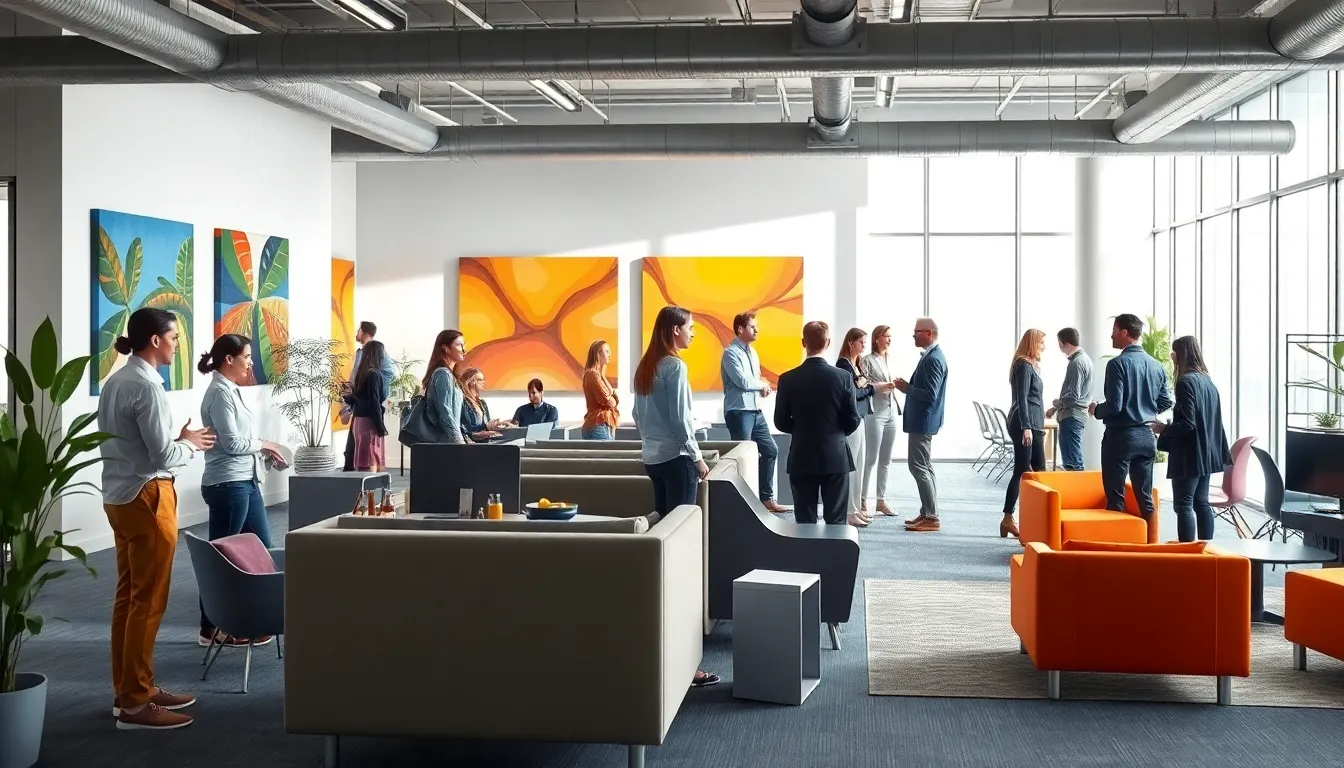
Commercial interior design centers on creating spaces that blend functionality with aesthetics. By focusing on these key elements, businesses can foster environments that motivate employees and impress clients.
Functionality and Flexibility
Functionality remains crucial in commercial spaces. Designers must prioritize adaptable layouts that accommodate changing work styles. Open floor plans foster collaboration while dedicated areas allow for focused tasks. Modular furniture enhances flexibility, allowing quick reconfiguration for various uses. Spaces should also include technology solutions that support seamless connectivity and communication. As hybrid work models grow, promoting both in-person interactions and remote work becomes essential.
Aesthetics and Branding
Aesthetics play a significant role in commercial interior design. Designers use vibrant colors and textures to create inviting environments. Brand elements should weave throughout the design, reinforcing corporate identity. Incorporating local art adds cultural significance and resonates with the community. Lighting choices impact the overall atmosphere, contributing to employee mood and productivity. A well-designed space reflects the brand’s values while enhancing customer experience.
Popular Styles in Commercial Interior Design
Commercial interior design features various styles that shape workspaces and promote brand identities. Keeping up with these popular styles enhances both aesthetics and functionality.
Minimalist Design
Minimalist design focuses on simplicity and essential elements. This style emphasizes open spaces, clean lines, and a limited color palette. Neutral shades create a calming environment conducive to productivity. Incorporating thoughtful storage solutions maintains order and clarity in the workspace. Natural light plays a central role, fostering brightness and reducing reliance on artificial lighting. This trend is perfect for businesses looking to cultivate a serene atmosphere while maximizing available space.
Biophilic Design
Biophilic design integrates nature into commercial spaces to improve well-being. Incorporating plants, natural light, and organic materials increases employee satisfaction. The presence of greenery reduces stress and enhances creativity by creating a comforting atmosphere. Water features and natural textures foster a harmonious environment. Thoughtfully designed layouts ensure views of outdoor landscapes and include nature-inspired artwork to reinforce this connection. Embracing biophilic elements proves vital in fostering a healthier workspace, promoting focus and productivity.
Color Schemes and Materials
Color schemes and materials play a significant role in defining commercial spaces. Current trends emphasize vibrant color palettes and innovative materials that enhance aesthetics while supporting functionality.
Trendy Color Palettes
Bright, bold colors inspire creativity and evoke positive emotions in work environments. Designers often choose combinations like teal and mustard or deep blue with vibrant coral, striking a balance between energy and professionalism. Earthy tones such as terracotta, olive green, and soft browns create calming atmospheres while promoting a connection to nature. These palettes encourage collaboration and well-being, fitting perfectly within biophilic design principles.
Innovative Materials
Sustainable materials dominate modern design, reflecting a commitment to environmental responsibility. Reclaimed wood, recycled metal, and low-VOC finishes highlight this trend while adding unique textures to spaces. Furthermore, biocomposite materials, made from organic resources, offer innovative alternatives that ensure durability and style. These materials not only meet functionality needs but also resonate with the growing emphasis on wellness and comfort in the workplace.
Technology Integration in Commercial Spaces
Technology integration transforms modern commercial spaces, enhancing both functionality and employee experience. Smart office solutions streamline operations and foster collaboration, reflecting the demands of contemporary work environments. Responsive lighting systems adjust to natural light fluctuations, improving energy efficiency and employee comfort.
Wireless connectivity supports seamless communication among team members, making it essential for open workspaces. Interactive displays allow for dynamic presentations and facilitate teamwork, optimizing meeting experiences. Virtual reality tools immerse employees in design processes, enabling them to visualize projects before implementation.
Automation controls, such as smart HVAC systems, maintain optimal climate conditions based on real-time occupancy data. Acoustic panels reduce noise levels, enhancing focus in bustling environments. Additionally, mobile applications allow employees to personalize their workspace settings, from lighting to temperature.
Integrating IoT devices promotes resource management, tracking inventory and usage patterns to reduce waste. Health and safety solutions, like occupancy sensors, ensure compliance with building regulations and enhance well-being. Augmented reality applications serve as tools for training, providing employees with hands-on experience without the inherent risks of on-the-job training.
Sustainable technology plays a vital role in design decisions, encouraging eco-friendly practices through energy-efficient solutions. By adopting innovative technologies, businesses create adaptive environments that respond to changing needs and preferences. Overall, technology remains a driving force in elevating commercial interiors, reflecting a commitment to efficiency and employee satisfaction.
Sustainability in Commercial Interior Design
Sustainability drives contemporary commercial interior design trends. Eco-friendly materials play a significant role, delivering both aesthetic appeal and environmental responsibility. Businesses increasingly opt for reclaimed wood, recycled metal, and low-VOC paints that minimize ecological impact. Each element contributes to a healthier workplace, promoting wellness among employees.
Incorporating biophilic design fosters connections with nature. This approach enhances well-being by integrating natural elements like green walls, water features, and ample daylighting. Research shows that exposure to nature improves mood and increases productivity, making it a valuable design consideration.
Flexibility remains essential in creating sustainable spaces. Modular furniture allows for adaptable configurations, accommodating dynamic work environments. Open layouts encourage collaboration, meeting the needs of diverse work styles while supporting sustainability through resource efficiency.
Brands benefit from reflecting their identity with local materials and artwork. Using local supplies reduces transportation emissions and supports the community. A connection to local culture conveys authenticity and resonates with clients and employees alike.
Energy efficiency is paramount in sustainable design. Smart technology, including automated systems for lighting and HVAC, optimizes resource consumption. Sensory controls adjust energy use based on occupancy, leading to substantial cost savings while minimizing carbon footprints.
Innovative designs prioritize wellness alongside environmental responsibility. Dedicated spaces for relaxation and socialization enhance employee satisfaction. Research consistently links comfort and well-being to increased engagement and productivity in the workplace.
Sustainability in commercial interior design encompasses various elements that enhance functionality and aesthetics. Prioritizing eco-friendly materials, biophilic elements, and innovative technologies fosters a work environment that supports both employee well-being and corporate responsibility.
Conclusion
Embracing the latest commercial interior design trends is essential for businesses aiming to create inspiring and functional workspaces. By prioritizing sustainability and flexibility, companies can foster environments that enhance creativity and productivity. The integration of technology not only streamlines operations but also encourages collaboration among teams.
As organizations adapt to hybrid work models, the emphasis on wellness and comfort becomes increasingly important. Thoughtfully designed spaces that reflect brand identity while supporting employee well-being can significantly impact overall morale and efficiency. Staying ahead of these trends will ensure businesses remain competitive and appealing to both employees and clients alike.