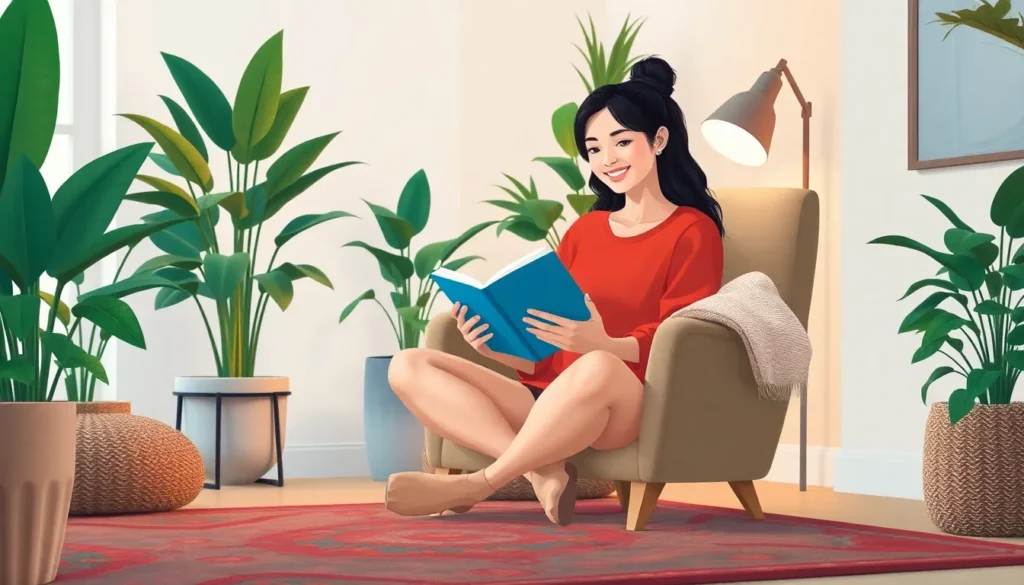
In a world where home is more than just a roof over one’s head, it’s time to embrace the latest trends and designs that transform spaces into sanctuaries. From cozy nooks that beg for a good book to open layouts that scream “let’s entertain,” the right design can turn the ordinary into the extraordinary.
Home Trends And Design
Minimalist design emphasizes simplicity while maximizing functionality. Neutral color palettes dominate many spaces, creating a serene environment. Indoor plants enhance air quality and add vibrancy to rooms. Open layouts facilitate social interactions and create a sense of spaciousness.
Smart home technology integrates seamlessly into contemporary designs. Voice-controlled devices allow effortless management of lighting, security, and climate. Additionally, energy-efficient appliances reduce environmental impact while offering superior performance.
Cozy reading nooks have gained popularity, providing dedicated spaces for relaxation. Window seats create natural light-filled retreats. Sustainable materials, such as reclaimed wood and recycled metals, showcase an eco-conscious approach to design.
Textured fabrics, including velvets and wools, enhance visual interest in living areas. Layered lighting designs combine ambient, task, and accent lighting for versatility. Statement pieces, like oversized art or unique furniture, serve as conversation starters in any room.
Bold patterns find their way into wallpapers and rugs, adding personality to decor. Personalization reflects individual tastes, making spaces truly unique. Multi-functional furniture addresses the need for efficient use of space, particularly in smaller homes.
Design trends also focus on wellness, incorporating elements that promote mental and physical health. Biophilic design connects indoors with nature, enhancing well-being. Each of these trends contributes to transforming homes into personalized sanctuaries, proving design is pivotal in enhancing comfort and style.
Popular Design Styles
Popular design styles influence how spaces reflect personal preferences. Each style incorporates unique elements, shaping the overall ambiance of a home.
Minimalism
Minimalism focuses on simplicity and functionality. Streamlined furniture and a lack of clutter create open, airy spaces. Neutral colors dominate this style, promoting tranquility and reflection. Natural light plays a vital role, enhancing the minimalist aesthetic. Essential furnishings emphasize quality over quantity. Storage solutions often remain hidden, preserving clean lines and unobstructed views. Decor items, if present, serve a purpose that aligns with the overall design. Sustainable materials frequently feature in minimalist homes, reinforcing the connection between design and environmental consciousness.
Bohemian
Bohemian design thrives on vibrant colors and eclectic patterns. Layered textiles add warmth and individuality to any space. Plants enrich the environment, forming a natural and inviting atmosphere. Unique artifacts often reflect travels or personal stories, enhancing the character of a room. Mismatched furniture encourages creativity, allowing homeowners to express themselves freely. Natural fibers and handcrafted items further contribute to a laid-back, relaxed vibe. Artwork plays a crucial role, making bold statements against the backdrop of subdued furnishings.
Industrial
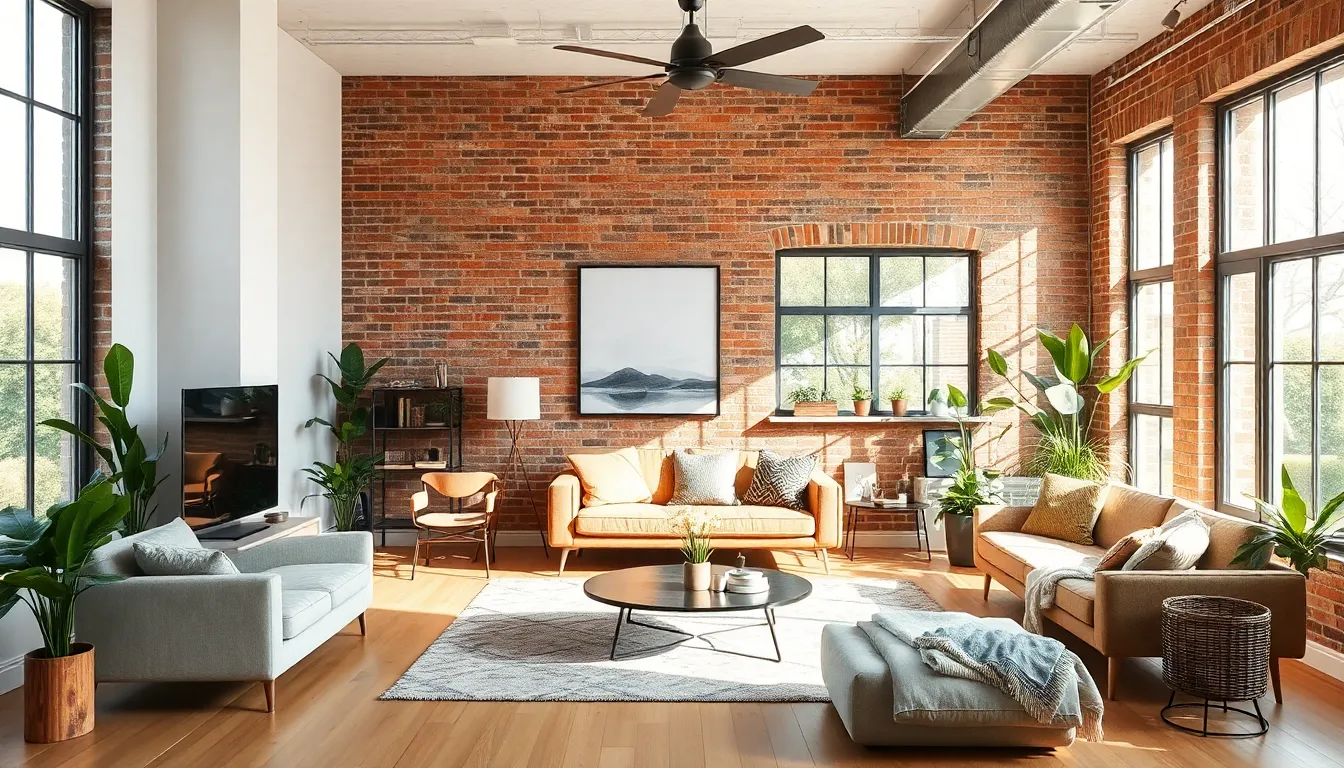
Industrial design emphasizes raw materials and urban influences. Exposed brick walls and metal accents showcase a rugged charm. Open layouts encourage social interaction, making spaces feel expansive. Large windows contribute to abundant natural light, enhancing the loft-like ambiance. Vintage furnishings align with the aesthetic, providing a retro touch. Functional elements like pipes and ductwork often remain visible, adding character. This style celebrates the beauty of imperfection, creating a warm, inviting environment. Bold lighting fixtures frequently act as focal points, enhancing the overall industrial vibe of the space.
Sustainable Home Design
Sustainable home design emphasizes environmental responsibility, making it an essential aspect of modern living. It focuses on creating comfortable and functional spaces while minimizing ecological impact.
Eco-Friendly Materials
Eco-friendly materials play a crucial role in sustainable home design. Recycled steel, bamboo, and reclaimed wood are popular choices due to their minimal environmental footprint. Natural materials, like cork and hemp, offer durability while maintaining low toxicity levels. Low-VOC (volatile organic compound) paints improve indoor air quality. By incorporating these materials, homeowners contribute to responsible consumption and reduce waste.
Energy Efficiency
Energy efficiency enhances the sustainability of homes significantly. Installing energy-efficient windows minimizes heat loss and improves insulation, resulting in lower energy bills. Smart home technology allows for better management of energy consumption. Using Energy Star-rated appliances further optimizes household energy use. Incorporating solar panels generates clean energy while decreasing reliance on non-renewable resources. These measures not only increase comfort but also promote long-term savings.
Incorporating Technology in Home Design
Incorporating technology enhances functionality and elevates home design. It transforms spaces into efficient environments.
Smart Home Devices
Smart home devices improve daily living through automation and convenience. Voice-activated assistants allow seamless control of lighting, heating, and security systems. Smart thermostats adapt to residents’ schedules, optimizing energy use and promoting efficiency. Smart security cameras ensure safety by providing real-time alerts to homeowners. Additionally, connected appliances streamline tasks, from refrigerators that track inventory to washing machines controllable via smartphone apps. These innovations contribute to an overall modern lifestyle.
Home Automation Trends
Home automation trends emphasize convenience and personalization. Increasingly, homeowners opt for whole-home systems that integrate various devices into a single platform. This trend simplifies management and allows for remote adjustments, enhancing user experience. Energy management systems monitor consumption, encouraging eco-friendly practices and cost savings. Automated window treatments adjust based on light and temperature, improving comfort and energy efficiency. By incorporating automation trends, homeowners create adaptable environments that suit their evolving needs.
Personalizing Your Space
Personalizing a living area creates a unique sanctuary that reflects individual styles. Thoughtful choices in design enhance emotional well-being while promoting comfort.
Color Schemes and Textures
Selecting color schemes and textures dramatically influences the ambiance of a home. Neutral tones provide a calming backdrop, while bold colors add vibrancy. Textured fabrics, like velvet and linen, introduce depth and contrast, enhancing visual interest. Accessories such as throw pillows and area rugs can pull together distinct elements, showcasing personal taste. Layering different materials also creates a cozy atmosphere, inviting relaxation. Expressive wall colors or unique textures can define a space, ensuring each room tells its own story.
Furniture Selection
Focusing on furniture selection offers opportunities for functionality and style. Multi-functional pieces maximize space and versatility in smaller homes. Choosing quality furniture that complements the overall design enhances both aesthetics and longevity. Statement pieces stand out while remaining cohesive with the room’s theme. Selecting furniture in various shapes adds visual intrigue, making the layout feel dynamic. Comfort should never be compromised for style; well-chosen furniture encourages relaxation. Thoughtfully arranged furniture allows for better flow and interaction, fostering a welcoming environment.
Conclusion
Home design is about creating spaces that resonate with individual lifestyles and preferences. By embracing current trends like minimalism and sustainable materials, homeowners can cultivate environments that are both functional and aesthetically pleasing.
Incorporating elements such as smart technology and personalized decor enhances not only the comfort of living spaces but also their efficiency. As trends continue to evolve, the focus on wellness and sustainability remains paramount, ensuring that homes are not just beautiful but also nurturing.
Ultimately, thoughtful design transforms a house into a true sanctuary where personal expression thrives and well-being flourishes.